Women's Rights Lawyer in Kolhapur - Streedhan & Property Share Legal Expert
dedicated women's rights lawyer in Kolhapur, specializing in property rights, streedhan recovery, and ensuring women receive their lawful share in family properties.
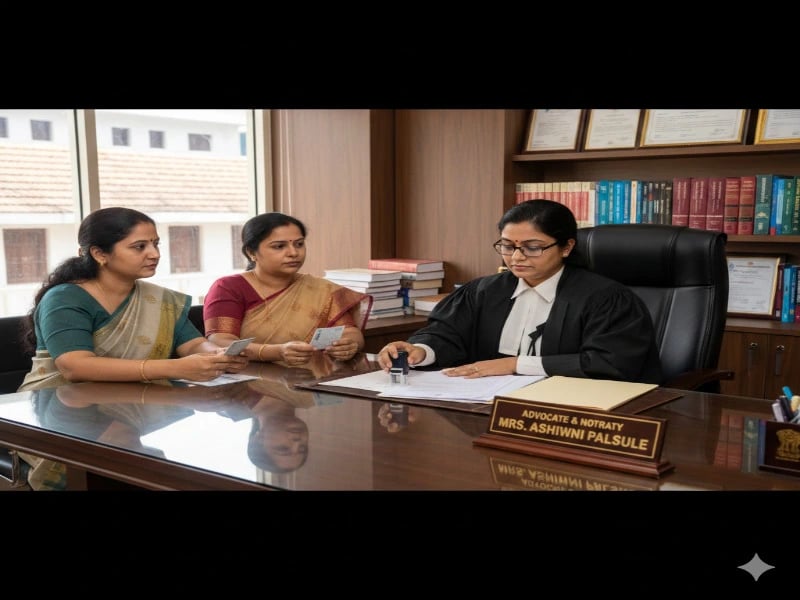
Understanding Streedhan
Streedhan refers to property belonging exclusively to women. Under Hindu law, streedhan includes gifts received from parents, relatives, or friends before marriage (at the time of marriage in the form of dowry is illegal, but voluntary gifts are permitted), during marriage, or after marriage, property inherited by the woman, and property acquired through her own efforts or earnings.
Streedhan is the woman's absolute property over which she has complete control. Her husband and in-laws have no rights over it. Common forms of streedhan include jewelry, clothes, household items, cash gifts, and even immovable property gifted to the woman.
Streedhan Recovery: Unfortunately, in-laws often illegally retain women's streedhan after separation or divorce. Women have legal rights to recover streedhan through civil suits for recovery of movable property, criminal complaints under Section 406 IPC (criminal breach of trust), applications under the Domestic Violence Act for recovery of streedhan, or inclusion of streedhan in divorce settlement negotiations.
I assist women in recovering streedhan, which often holds both monetary and sentimental value. Detailed documentation of jewelry and gifts received helps in recovery proceedings.
Daughter's Share in Ancestral Property
Under the amended Hindu Succession Act, daughters have equal coparcenary rights in ancestral property. This means daughters are deemed to have been coparceners in the joint family property from birth, they have the same rights as sons, they can demand partition of ancestral property, and their share passes to their heirs (children and husband) upon death.
However, claiming these rights often meets resistance from male relatives who are accustomed to excluding women from property. I represent daughters seeking their rightful shares, filing partition suits, proving coparcenary status, and ensuring equal division.
Self-Acquired vs. Ancestral Property: It's important to distinguish property types. Ancestral property is inherited from father, grandfather, or great-grandfather and remains joint family property unless partitioned. Daughters have equal rights by birth.
Self-acquired property is purchased or acquired through one's own efforts and can be disposed of by will. Daughters have rights in fathers' self-acquired property only if he dies intestate (without a will), and then along with other Class I heirs including mother, widow, sons, and other daughters.
Widow's Rights
Widows have specific property rights under Hindu law. In her husband's self-acquired property (if intestate), a widow is a Class I heir entitled to an equal share with children and the husband's mother. In ancestral property, widows have rights if their husbands would have been coparceners.
Additionally, widows cannot be evicted from the matrimonial home and have residence rights regardless of property ownership. I help widows assert these rights, particularly when faced with pressure from in-laws or step-children trying to deny them their lawful entitlements.
Mother's Property Rights
As women age, they often face questions about their own property disposition. Women have complete rights over their self-acquired property and can dispose of it by will as they choose. They cannot be forced to transfer property to sons or anyone else.
Women also have maintenance rights against adult children. If elderly parents cannot maintain themselves, adult children are legally obligated to provide support. I help elderly women seek maintenance from children and protect their property rights from exploitation.
Wife's Rights in Matrimonial Property
Wives have several rights in matrimonial property. Under the Domestic Violence Act, wives cannot be evicted from the shared household regardless of ownership. This right continues even if the property belongs to the husband or his relatives.
In divorce, wives can claim maintenance that considers the husband's property and income. While wives don't automatically get a share in the husband's property upon divorce (unlike in some Western countries), courts can award lump sum alimony or property transfers as part of settlements.
I negotiate divorce settlements that secure appropriate financial provisions for wives, including possible property transfers, especially when wives made substantial contributions to property acquisition or have no independent income.
Property Rights of Married Daughters
A common misconception is that married daughters have no rights in parental property. This is false. Married daughters have equal rights as sons in parents' property, whether ancestral or self-acquired (if intestate). Marriage does not extinguish property rights.
However, families often pressure daughters to relinquish claims, arguing they received dowry or that property should remain with sons who carry the family name. These arguments have no legal basis. I help married daughters assert their rightful property claims without guilt or hesitation.
Partition and Property Division
When joint family properties exist, partition becomes necessary to establish individual shares. Partition can occur by family arrangement (agreement among coparceners) or through court-ordered partition suits.
Partition suits involve identifying all coparceners and their shares, valuing the property, determining how physical division should occur (actual division or sale with proceeds distribution), and allocating specific portions to each party.
I handle partition suits for women seeking their shares, ensuring fair valuation, preventing property alienation during proceedings, and securing equitable distribution.
Women's Rights in Agricultural Land
Agricultural land is subject to specific regulations in Maharashtra. Women have equal rights in agricultural land inherited from family, but transfer restrictions apply. Understanding these rules is important for women claiming agricultural property rights.
I guide women through agricultural land transactions and disputes, ensuring compliance with revenue laws while protecting their rights.
Gifts and Transfers to Women
Property transferred to women through gifts or transfers becomes their absolute property. However, questions sometimes arise about validity of transfers or allegations of undue influence.
I defend women's ownership rights when transfers are challenged, proving transactions were voluntary and valid, and ensuring women retain property rightfully conveyed to them.
Property Rights After Death
Women planning estates should understand succession laws. With a will, women can distribute property as they choose among family, friends, or charities. Without a will (intestate), property is distributed according to succession laws with shares to children, husband, and mother.
I help women draft wills ensuring their property goes to chosen beneficiaries and prevent family disputes after death.
Protecting Women's Rights
Despite legal equality, women face practical challenges asserting rights including family pressure to not claim property, lack of awareness about rights, financial inability to pursue legal claims, social stigma about women taking legal action against family, and practical difficulties proving ownership or shares.
As a female lawyer, I provide a supportive environment where women can discuss concerns and explore options. I explain rights clearly, develop strategies for asserting claims, and pursue litigation when necessary while attempting family settlements when feasible.
Why Choose Me as Your Women's Rights Lawyer
With deep commitment to gender equality and women's empowerment, I bring both legal expertise and personal passion to women's rights cases. I understand the social pressures women face when asserting property rights and provide not just legal representation but also emotional support and encouragement.
My approach combines thorough legal preparation with sensitivity to family dynamics, pursuing the best outcomes while minimizing unnecessary conflict. When settlements are possible, I negotiate favorable terms. When litigation is necessary, I advocate vigorously.
Claim Your Rightful Share
Property rights provide economic security and independence. Women should not be deprived of their lawful entitlements due to outdated attitudes or family pressure. The law recognizes women's equal rights, and with proper legal representation, those rights can be realized.
Whether seeking ancestral property shares, recovering streedhan, asserting widow's rights, or planning your own estate, professional legal assistance ensures your rights are protected.
Contact for Women's Rights Legal Services
If you have questions about your property rights or face resistance claiming your lawful share, contact Advocate Ashwini Palsule at 8767875844. Together, we'll pursue the justice and equality you deserve.